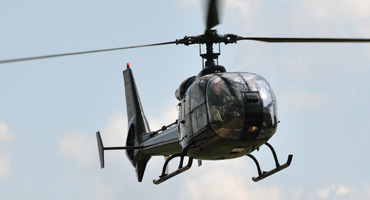
Ground Preparation
Prepare the knowledge you will use in briefings and flight planning. Compare study options before choosing how to begin.

Your first flight, a new rating, or a professional goal starts with the same question: what training fits you? Helicopter Academy offers helicopter training for new students and experienced pilots, with ground preparation and flight instruction planned around your starting point. Tell us where you want to fly and the time you can commit; we will help you identify the right next step.
Our helicopter school has trained pilots since 1986. Our approach combines preparation, focused helicopter flying lessons, and feedback you can use before the next flight. Robinson R22 and R44 aircraft are selected according to the lesson, training stage, location, and current availability. You should understand what each lesson is meant to achieve before you pay for it.
You do not need to decide on every future rating before talking with us. Start with the option that matches your experience today, then review the details with your longer-term goal in mind. Already hold a pilot certificate? Ask how your existing experience affects the next course.
Ground Preparation
Prepare the knowledge you will use in briefings and flight planning. Compare study options before choosing how to begin.
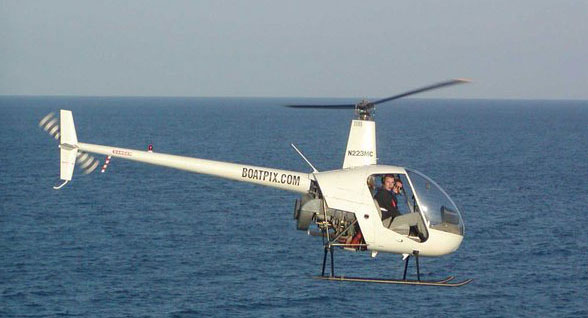
Private Pilot Helicopter
Build your first helicopter certificate around aircraft control, sound decisions, and readiness for independent personal flying.
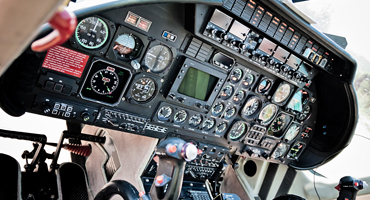
Commercial Pilot Helicopter
Develop the precision, judgment, and consistency expected at the commercial level, with a plan based on your existing experience.
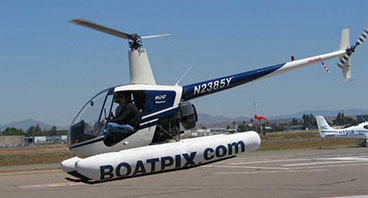
Professional Pilot Path
Look beyond the first certificate. Review how the training stages, available schedule, and experience-building decisions fit together.
Before setting dates, review Training Costs and Financing Options. Use Training Locations to narrow your area, then confirm the current aircraft, instructor, and program availability with us.
Good helicopter flight training brings knowledge, aircraft control, and judgment together. A maneuver may begin with a demonstration, but the goal is to understand when to use it, recognize a developing problem, and make a sound decision. Structured rotorcraft training keeps those elements connected as your experience grows.
| Component | Includes |
|---|---|
| Rotorcraft Knowledge | Learn how aerodynamics, aircraft systems, weather, regulations, navigation, and performance affect a flight. Ground study supports the decisions you will practice in the helicopter. |
| Structured Flight Lessons | Work through aircraft control, takeoffs, approaches, landings, navigation, and emergency procedures at the appropriate stage. Each briefing sets the purpose of the flight. |
| Instructor Feedback | Review what went well, what needs more practice, and what to prepare next. Clear feedback helps you understand progress rather than judging a lesson by how easy it felt. |
| Consistent Scheduling | Choose a lesson rhythm you can sustain, with flexibility for weather, maintenance, and availability. Preparation between flights helps keep earlier learning useful. |
| Progress Planning | Review the next proficiency goal, test, certificate, or rating in time to organize the study, scheduling, and budget it needs. Ask what is included and what requires a separate arrangement. |
Tell us your flying experience, preferred area, available days, and what you hope to achieve. We will help you compare a practical starting point and the details to confirm before booking. Still deciding whether flying is for you? Begin by asking about an introductory lesson.
Start with a conversation about your goal, previous flying experience, location, and available schedule. An introductory helicopter lesson can help you experience the training environment before a larger commitment. You can also begin ground study while you confirm the flight arrangements.
Ask how lessons are planned, how instructors review progress, and which aircraft and training dates are actually available. Compare the complete estimate and its exclusions, not just an hourly figure. A useful school conversation should leave you knowing the next step and the questions that still need answering.
Yes. Beginners start with instruction appropriate to their experience. You are not expected to arrive knowing the controls or aviation terminology. Tell your instructor what is unfamiliar, prepare the assigned material, and build skills step by step.
It can, when your available days and the school’s current schedule align. Discuss a lesson rhythm you can maintain and time for study between flights. Allow flexibility for weather and maintenance rather than relying on an unconfirmed finish date.
Helicopter pilot training combines rotorcraft knowledge, flight skills, and decision-making. Depending on your stage, lessons may cover aircraft systems, weather, airspace, planning, communications, aircraft handling, navigation, emergency procedures, and preparation for the applicable FAA tests.
Helicopter Academy uses Robinson R22 and R44 helicopters. The aircraft for a particular lesson depends on your training stage, the objective, location, and current availability. Confirm the aircraft and any fit or operating restrictions when arranging training.
Review the training locations and discuss the area you can attend consistently. Aircraft, instructor, and program availability varies. Confirm the airport and your intended dates before committing to travel, accommodation, or a training block.
Yes. The initial conversation should establish which goal you have. Personal flying and a professional path lead to different certificate, rating, and experience decisions. Compare Private Pilot Helicopter Training or the Career Pilot Training Program for the detailed route that fits your plans.
See Helicopter Flight Training in Action
Watch a student’s training experience for a closer look at helicopter lessons, instructor guidance, and practice. Your own schedule and progress will depend on your starting point and the training plan.